

electricians, Home & Garden Tips, Tucson, Arizona, etc.
Electricians in Tucson, Arizona
Replacing a Switch:
Safety First: Turn off power at the breaker box.
Removal: Unscrew the switch cover and remove the switch from the electrical box.
Installation: Mount the new switch in the box and tighten the screws.
Power On: Turn power back on at the breaker box.
Resources:
* National Electrical Code (NEC): www.nfpa.org
* Electrical Safety Foundation International (ESFI): www.esfi.org
* HomeAdvisor: www.homeadvisor.com
Lights, Camera, Electricians! Your Guide to Keeping the Power On
Electricity powers our homes, making our lives easier and more comfortable. But what happens when the lights go out, or an outlet stops working? That’s where electricians come in!
The Importance of Electricians Services
Electricians are like the superheroes of the home. They can tackle anything from replacing a light switch to rewiring your entire house. But beyond fixing problems, electricians can also help you upgrade your home’s electrical system to be more efficient and safe. Imagine having more outlets, better lighting, and even solar panels – that’s all possible with the help of an electrician!
Keeping Your Home Safe and Efficient
Just like you regularly clean your house, it’s essential to keep your home’s electrical system in good shape. Think of it like a car – you need regular maintenance to keep it running smoothly. A well-maintained electrical system is safer, more efficient, and can save you money in the long run.
Here are some benefits of getting regular electrical inspections and maintenance:
- Safety First: A faulty electrical system can be dangerous, leading to shocks or even fires. Regular inspections can catch problems before they become major hazards.
- Energy Efficiency: Upgrading to modern lighting and appliances can save you money on your energy bills. An electrician can help you choose the best options for your home.
- Increased Home Value: A well-maintained electrical system can increase your home’s value, making it more attractive to potential buyers.
Finding and Vetting Quality Electricians Contractors
Choosing the right electrician is crucial for a successful project and peace of mind. Don’t just go with the first name you see – take the time to find a qualified and trustworthy professional.
How to Find and Vet an Electrician:
- Research Online: Websites like HomeAdvisor, Angie’s List, and Yelp are great places to start your search. Read reviews from other customers and check ratings.
- Ask for Recommendations: Talk to your friends, family, and neighbors – they might have great recommendations for electricians they’ve worked with in the past.
- Check for Licensing and Insurance: Make sure the electrician is licensed and insured in your state. This will protect you in case of accidents or damage during the work.
- Conduct Interviews: Contact several electricians and ask them questions about their experience, qualifications, and pricing.
- Ask for References: Request a list of past clients you can contact to learn about their experience with the electrician.
- Review Past Work: If possible, ask to see pictures of the electrician’s previous work. This will give you a better idea of their skill and attention to detail.
- Get Multiple Quotes: Get quotes from at least three electricians to compare pricing and scope of work.
Remember: Don’t just choose the cheapest option – make sure you’re comfortable with the electrician’s qualifications, experience, and communication style.
Reputable Websites for Electrician Reviews:
- HomeAdvisor: www.homeadvisor.com
- Angie’s List: www.angieslist.com
- Yelp: www.yelp.com
- HomesGardenPros: www.homesgardenspros.com
DIY Homeowner Section:
Are you a hands-on homeowner who likes to tackle projects around the house? While we always recommend hiring a professional electrician for complex work, there are some simple electrical tasks you can do yourself.
Essential Electricians Tools and Materials:
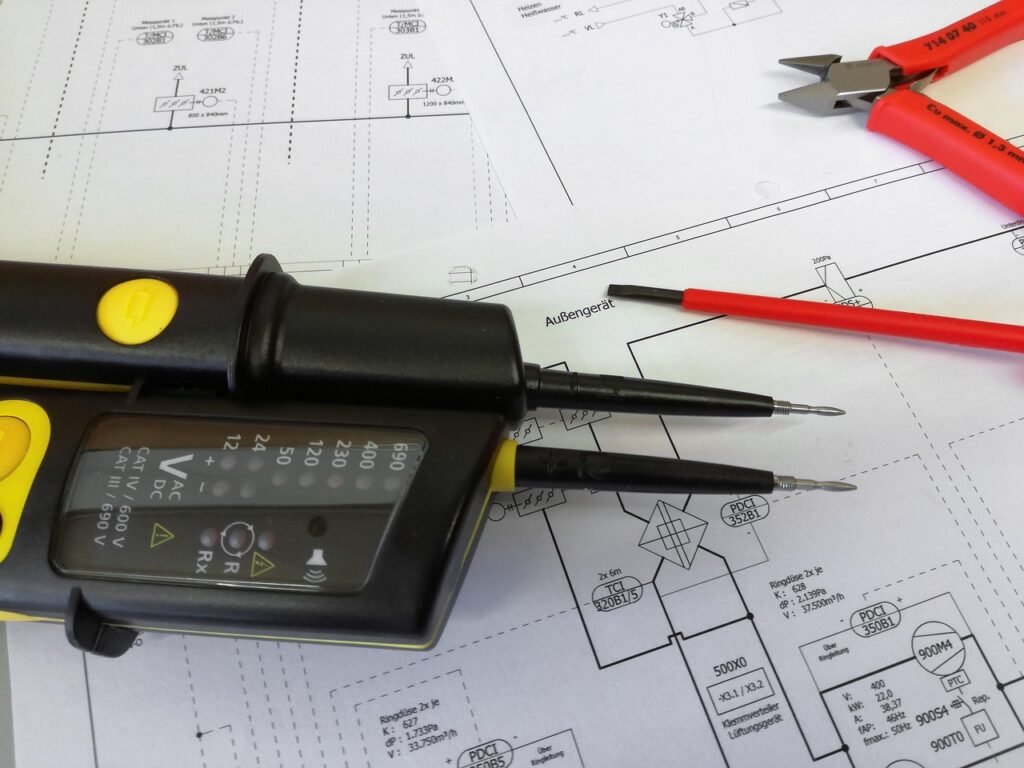
- Voltage Tester: This tool helps you check for live wires, ensuring your safety.
- Wire Strippers: These tools remove the insulation from electrical wires, preparing them for connections.
- Wire Connectors: Used to join electrical wires together.
- Screwdriver: Essential for attaching electrical fixtures and devices.
- Electrical Tape: Used to insulate and secure electrical connections.
- Utility Knife: Useful for cutting electrical wires and conduit.
- Safety Glasses: Protect your eyes from debris and sparks.
- Work Gloves: Protect your hands from electrical shocks and sharp tools.
Simple DIY Electrical Projects:
-
Replacing a Light Switch: This is a common and straightforward project for homeowners. Follow these steps:
- Turn off the Power: Before you start, always turn off the power to the circuit at the breaker box.
- Remove the Old Switch: Unscrew the switch cover and remove the screws holding the switch to the electrical box.
- Disconnect the Wires: Carefully disconnect the wires connected to the old switch. Note the wire color – black is usually hot, white is neutral, and green or bare copper is ground.
- Connect the New Switch: Connect the new switch wires in the same order as the old ones.
- Secure the Switch: Mount the new switch in the electrical box and tighten the screws.
- Turn on the Power: Turn the power back on and test the switch.
-
Installing a Ceiling Fan: This project requires a little more effort, but it’s doable for experienced DIYers.
- Choose the Right Fan: Make sure the fan is compatible with your ceiling structure and wiring.
- Turn Off the Power: Turn off the power to the circuit at the breaker box.
- Mount the Fan: Install the fan bracket to the ceiling, following the manufacturer’s instructions.
- Connect the Wires: Connect the fan wires to the ceiling wires.
- Secure the Fan: Install the fan blades and ensure they are securely attached.
- Turn on the Power: Turn the power back on and test the fan.
DIY Considerations:
- Safety First: Always take precautions when working with electricity. Be aware of live wires and never work on circuits that are not properly de-energized.
- Code Compliance: Electrical work must comply with local building codes.
- Complex Projects: If you’re unsure about any aspect of a project, consult a qualified electrician. Attempting to DIY complex work can be dangerous and void any warranties.
TL;DR – Too Long; Didn’t Read
- Electricians are essential for keeping your home safe, efficient, and up-to-date.
- Regular electrical maintenance is crucial for preventing problems and saving you money.
- Find a qualified and trustworthy electrician by researching online, getting recommendations, and checking for licensing and insurance.
- DIY projects can be satisfying, but always prioritize safety and know your limits.
Additional Resources:
- National Electrical Code (NEC): www.nfpa.org
- Electrical Safety Foundation International (ESFI): www.esfi.org
- HomeAdvisor: www.homeadvisor.com
Now that you know the importance of electricians and how to find a good one, it’s time to take action! Whether you’re ready to tackle a DIY project or hire a professional, knowing your options empowers you to keep your home safe and powered up!
More on electricians…
- ## Electrician Keywords
- General:
- electrician
- electricians near me
- electrical services
- residential electrician
- commercial electrician
- electrical repairs
- electrical installations
- electrical contractors
- electrical wiring
- electrical troubleshooting
- electrical safety inspections
- Specific Services:
- electrical panel upgrades
- circuit breaker replacement
- wiring inspection
- home rewiring
- outlet installation
- light fixture installation
- ceiling fan installation
- electrical outlets
- wiring for new construction
- smart home wiring
- security system installation
- generator installation
- Location:
- electrician [city name]
- electrician [state name]
- electrician [zip code]
- Problem-Based:
- flickering lights
- power outages
- blown fuse
- electrical shock
- outlet not working
- electrical fire hazard
- electrical safety tips
- Pricing:
- electrician cost
- electrical service pricing
- electrician rates
- electrician hourly rate
- electrician estimates
- Reviews & Reputation:
- best electricians
- top-rated electricians
- electrician reviews
- electrician recommendations
- electrician reputation
- ## Home & Garden Tips Keywords
- General:
- home improvement tips
- garden tips
- DIY projects
- home maintenance
- home decor
- gardening
- landscaping
- home organization
- home cleaning
- home security
- Specific Topics:
- **Home:
- painting tips
- flooring installation
- kitchen renovation
- bathroom remodel
- basement finishing
- attic insulation
- window replacement
- door installation
- plumbing tips
- HVAC maintenance
- **Garden:
- vegetable gardening
- flower gardening
- lawn care
- pest control
- plant care
- composting
- water conservation
- landscaping design
- outdoor lighting
- patio ideas
- Seasonal:
- spring gardening tips
- summer lawn care tips
- fall home maintenance tips
- winter home improvement tips
- Problem-Based:
- how to fix a leaky faucet
- how to unclog a drain
- how to get rid of weeds
- how to control pests
- how to prevent mold
- how to improve energy efficiency
- Style & Design:
- modern home decor
- farmhouse style
- minimalist design
- Scandinavian design
- bohemian decor
- Tips & Tricks:
- home organization hacks
- cleaning tips
- gardening tricks
- DIY hacks
- home decor ideas
- Resources:
- home improvement tools
- gardening tools
- home improvement blogs
- gardening websites
- home design inspiration
- Other:
- home staging tips
- home buying tips
- home selling tips
- real estate tips
- home insurance tips
- sustainable living tips
- eco-friendly gardening tips

Author: Baub
Contents
- 1 Electricians in Tucson, Arizona
- 2 Replacing a Switch:
- 3 Lights, Camera, Electricians! Your Guide to Keeping the Power On
- 4 More on electricians…
Leave a Reply
You must be logged in to post a comment.